
The AITC 2027 international conference is scheduled to conduct at Hyderabad, India.
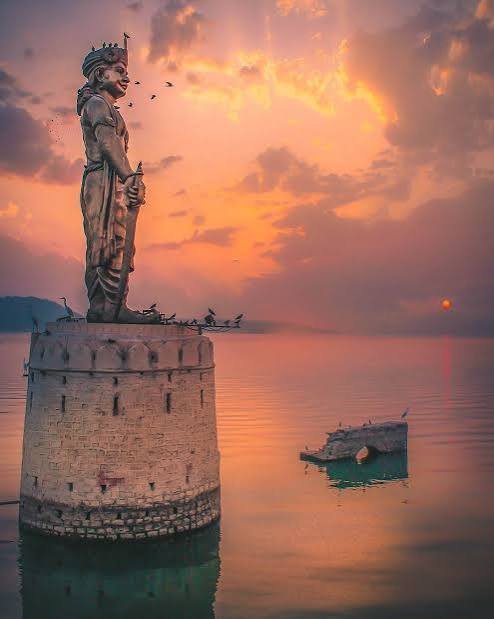
Bhopal, the capital of Madhya Pradesh, is known as the “City of Lakes” for its many natural and artificial lakes, the best known being the Upper Lake (Bhojtal) and the Lower Lake. The city’s origins are traced to the 11th-century Paramara king Raja Bhoj, while modern Bhopal was established in the early 18th century by Dost Mohammad Khan. From 1819 to 1926, the princely state was ruled by a line of women rulers, the Begums of Bhopal, who shaped much of its architecture and culture.
Bhopal blends old-world heritage with modern planning. The old city has bustling bazaars and landmarks such as the Taj-ul-Masajid, one of the largest mosques in Asia, and the Gohar Mahal. The newer areas offer green avenues and cultural centres like Bharat Bhavan, the Museum of Tribal Heritage, and the Indira Gandhi Rashtriya Manav Sangrahalaya. Van Vihar National Park sits beside the Upper Lake.
The city is a gateway to two UNESCO World Heritage Sites: the Buddhist stupas of Sanchi and the prehistoric rock shelters of Bhimbetka, both within about 50 km.
Bhopal is also an important centre of education and research, home to institutions such as AIIMS Bhopal, IISER Bhopal, MANIT, and the National Law Institute University. Well connected by air, rail, and road, Bhopal offers visitors a welcoming mix of history, nature, and culture.